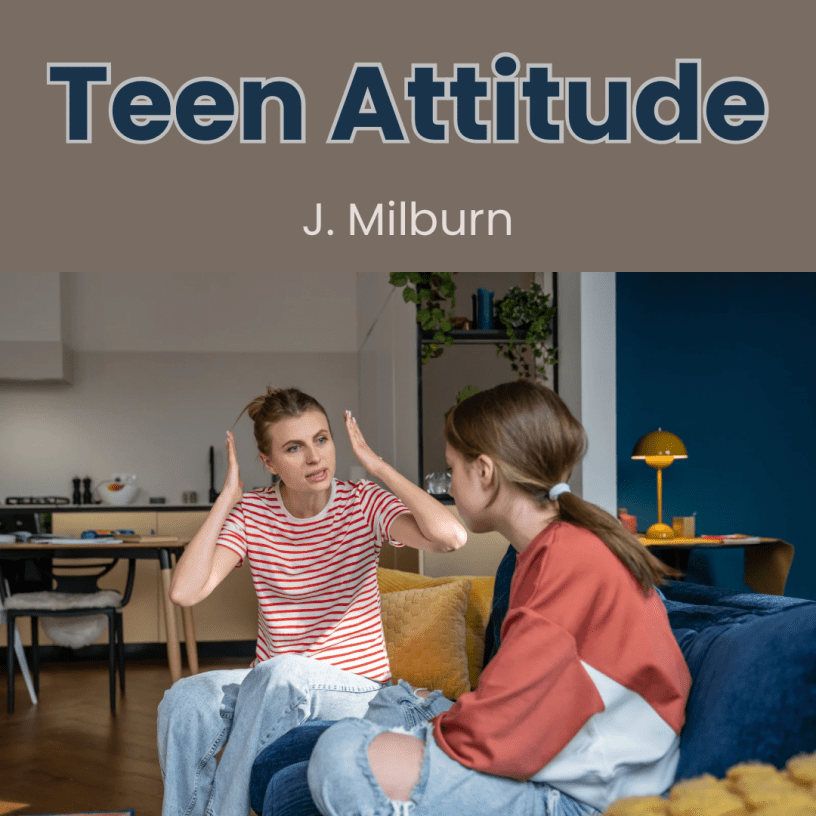
Many teens feel misunderstood. Parents will say “I do understand them! I empathize, I listen, I try to let them make choices, I show them I love them, still I am met with attitude. What do they want?”
The questions is… what do you want? What are your expectations of them? Often we are seeking reciprocity in our relationships with our children.
Teens are the most socially masked creatures. Brains of children. Bodies of adults and expectations of adults without much empathy or understanding for their still developing brain. Because of the rapid physical and hormonal growth during adolescence, teens actually suffer impaired reasoning and problem solving skills, in comparison with 9-12 year olds.
Just because you feel like you see yourself as empathetic and understanding, does not mean your child sees it that way.
Something that extremely loving parents often struggle with is watching their child process difficult emotions and the teen years are just a rollercoaster of difficult emotions for a lot of teens.
If you tend to inadvertently take on your child’s challenging feelings, they may begin to avoid telling you about big things that might upset you.
What does that mean?
As an example; have you ever vented to someone about something and they got so upset about what you were venting about that you ended up having to calm them down?
Your teen might get in a fight with their best friend but be nervous to tell you for fear of what you may think of the friend. We think this Mama bear mentality makes our children feel loved and protected but there is a balance. It’s important, especially as our children age, to keep our “Mama Bear” in check in order to build that unwavering trust. Often situations that we really want and need to know about are more complex than movies make it out to be. Teens can be terrified of their parents reaction, not for fear of punishment, but fear of shame or a need to calm the parent.
 Responsive Parenting